Our approach
Five workstreams. Five gates. One deliverable.
The workstreams run in parallel from day one. A site is only offered when every gate has cleared, so the offtaker never inherits an open question.
The timeline
What each workstream has to prove.
Each step below lists the work, the questions it closes, and the deliverable that clears its gate.
Find and control the land
We start from the grid, not the map. Parcels are screened for proximity to transmission and water first, then for size, shape, access, and whether the land can be controlled on reasonable terms.
- Parcel identification and ownership research
- Title, survey, and easement review
- Geotechnical and environmental desktop screens
- Flood, wetlands, and endangered-species checks
- Option or purchase agreement that buys time to clear the other gates
Land under control, with a diligence file the offtaker can read in one sitting.
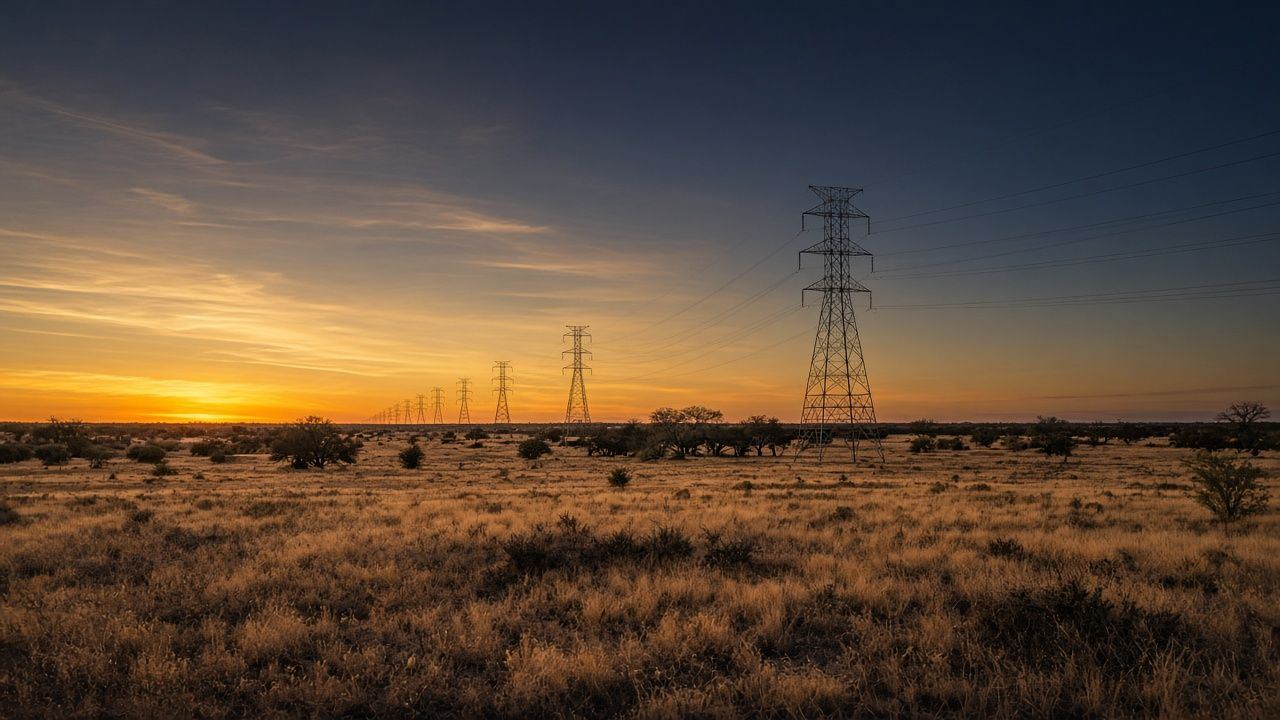
Prove the path to energization
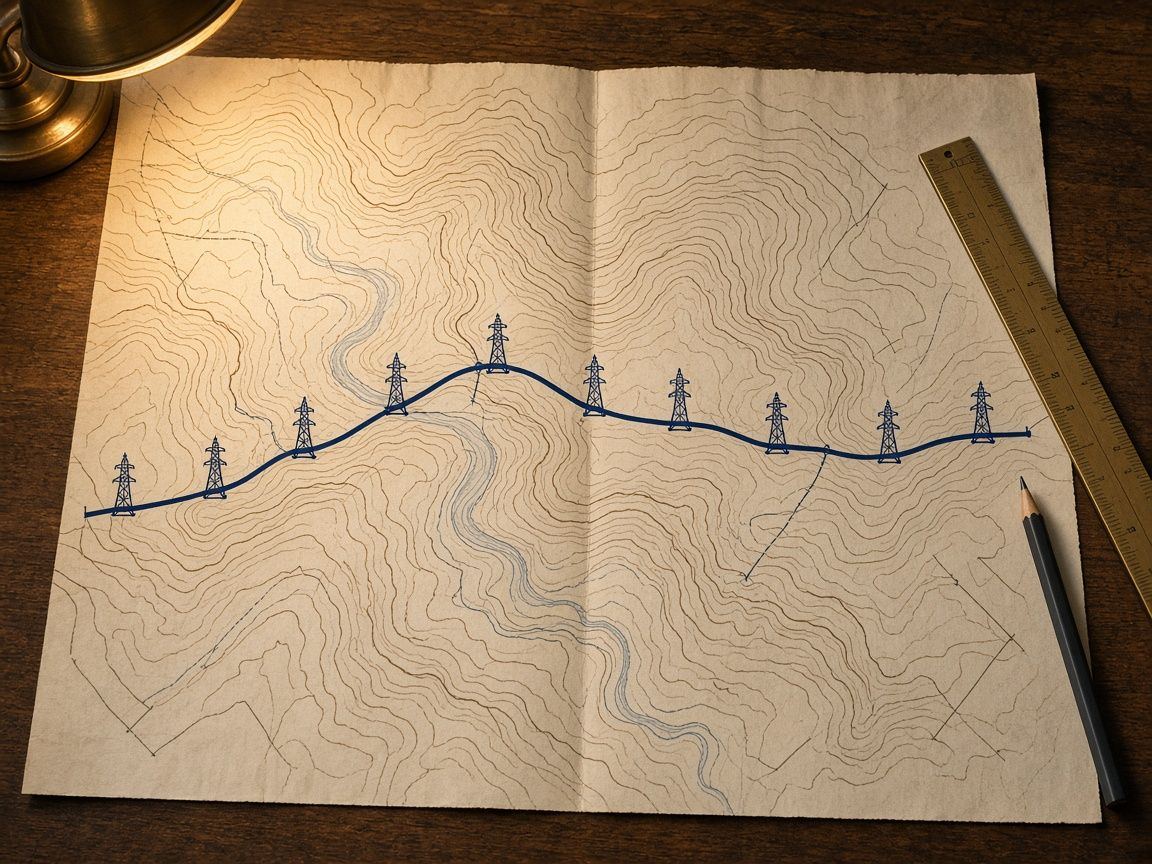
Power is the long pole, so it starts on day one. We map transmission and substation options, open the study path, and coordinate with the transmission and distribution utility on a timeline we can defend.
- Transmission proximity and capacity review
- Substation options: tap, expansion, or new build
- Large-load interconnection study path
- Utility coordination and written schedule
- Bridge and backup power strategy where it shortens time to load
A confirmed study path and a written energization timeline the utility has seen.
Secure supply that matches the cooling plan
Water is sized to the cooling strategy, not the other way around. We identify sources, confirm rights, and lock in supply before the site is offered.
- Source identification: municipal, groundwater, reclaimed, or surface
- Water rights review and permitting path
- Supply and discharge agreements
- Cooling strategy matched to what the site delivers year-round
Executed supply agreements and a cooling basis of design the offtaker can adopt.
Clear the way to vertical construction
We handle zoning, platting, and permits, and we do the local engagement in person. A campus is a long-term neighbor, and the approvals move faster when the community has met the developer.
- Zoning and platting
- Tax and incentive structure with the county and school district
- Community and stakeholder engagement
- Permits required to begin vertical construction
Permits in hand and an incentive structure documented for the offtaker's approval process.
Hand over a team, not a blank page
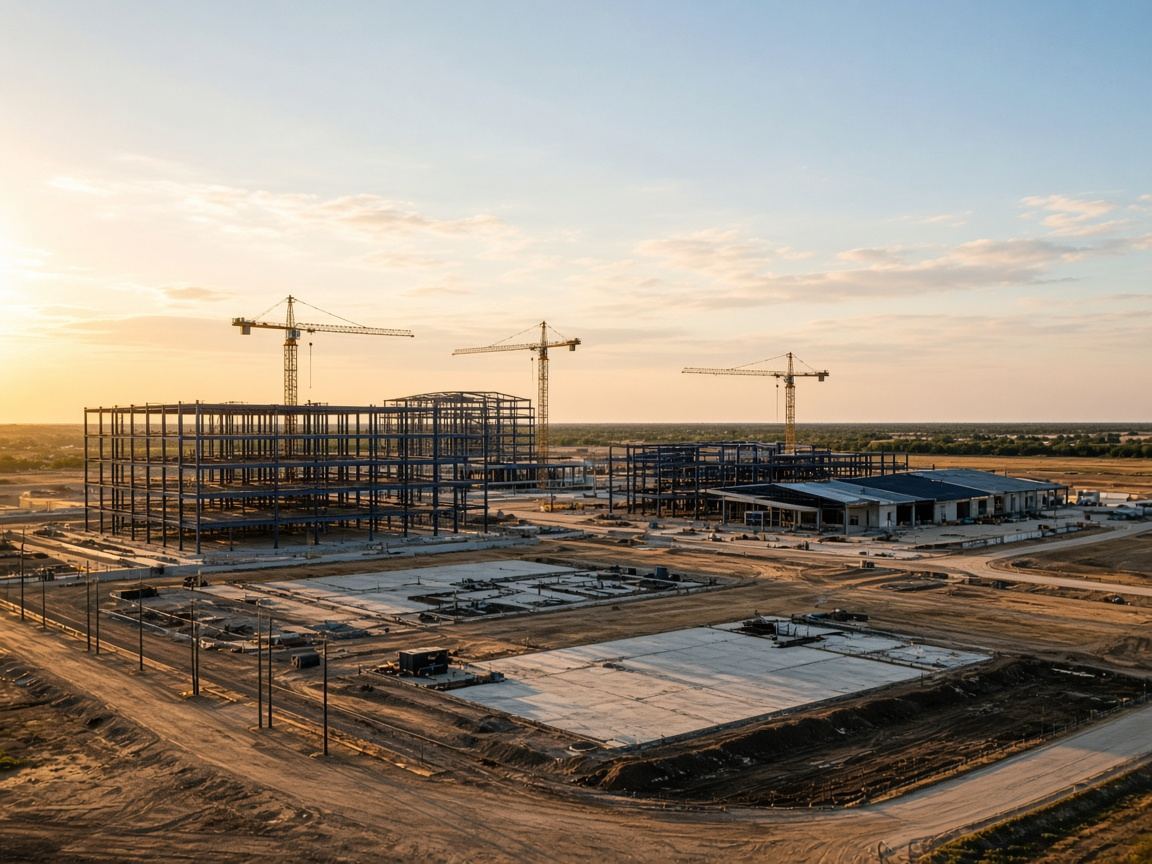
The site arrives with a pre-qualified design, engineering, and construction team already scoped to it. The offtaker can keep them, swap them, or use their own, but they start with a plan.
- Pre-qualified architect, engineer, and general contractor
- Site-specific scope, schedule, and logistics plan
- Long-lead equipment strategy
- Clean handoff package: diligence, agreements, permits, team
Build team under contract and a handoff package ready for the offtaker's investment committee.
The handoff package
What the offtaker receives.
Six components, assembled as one file, indexed so an investment committee can find what it needs without a call.
How we run it
Three habits behind the five gates.
Parallel workstreams
Every workstream opens at the start. Power and water, the slowest, are never waiting on land to close.
- Regular cross-workstream review
- One owner per gate
- Shared diligence index from day one
Gates, not milestones
A milestone is a date on a chart. A gate is a document someone else has signed. Sites advance on gates only.
- Evidence defined before work starts
- Third-party confirmation where it exists
- No site offered with an open gate
Retire parcels early
Most parcels fail. We would rather find the fatal constraint in the desktop screen than after the option is signed.
- Hard constraints checked first
- Cheap tests before expensive ones
- Clear reasons recorded for every retired parcel
Questions
What people ask us first.
Short answers to the questions landowners, brokers, utilities and offtakers raise in a first conversation.
Not answered here?
Send us the question and which piece of the site you hold. We reply to every serious note.
Where do you work?
Across the U.S. The grid operator, the utilities, the water districts and the incentive structures differ from one market to the next, so we learn each one in depth before a site is offered. The same evidence rules apply to every site we take on, wherever it sits.
What does "ready to build" mean to you?
Land under control, a written energization timeline the utility has seen, executed water agreements, permits in hand, incentives documented, and a pre-qualified build team under contract. All five gates cleared, delivered as one indexed package.
Do you operate or lease data centers?
No. We are not a colocation operator and we do not sell capacity. We stop at the ready-to-build handoff so our incentives stay aligned with the end user who will own and operate the campus.
I own land near a transmission line. What happens if I contact you?
We run a desktop screen against transmission, water, fiber, access and environmental constraints. If the parcel clears, we schedule a call and a site visit and talk about terms for an option that gives both sides time. If it does not clear, we tell you why.
How do you handle power when interconnection timelines are uncertain?
We open the study path early and coordinate directly with the transmission and distribution utility. Where it shortens time to load, we evaluate bridge and backup strategies. The gate is a written timeline the utility has seen, not an estimate.
How is water handled, and who decides the cooling approach?
We identify municipal, groundwater, reclaimed or surface sources, confirm rights and permitting with the relevant district, and execute supply and discharge agreements. The cooling basis of design is matched to what the supply can deliver year-round. The offtaker can adopt it or adjust it.
Can an offtaker bring their own design and construction team?
Yes. The pre-qualified team we hand over is scoped to the site so the offtaker starts with a plan, but they can keep it, swap members, or replace it with their own partners.
What do brokers and utilities get from working with you?
Brokers get fast, honest answers on whether a parcel fits and quick movement on control when it does. Utilities get a counterparty that engages early, respects the study process, and brings a credible end user to the table.
Get in touch
Working on one of these pieces already?
We partner with landowners, utilities, water districts and brokers at any gate. Bring us the part you have and we will tell you where it fits.